At Carlin Dental, we are known for our patient-centered approach to care and family-oriented environment. Many staff members have been with the practice for decades and have had the pleasure of working with our adult patients since they were children. At our convenient Hendersonville, TN, dental office serving Nashville, Gallatin, and nearby areas, we can accommodate any and all of your needs.
Our practice is equipped with digital X-rays, intraoral cameras, and other advanced tools that enable us to diagnose and treat conditions more precisely and efficiently than ever before. We understand how important finding the right dentist is for you and your family, and we are ready to exceed your expectations.
Jennifer Young
2023
Carlin Dental is the best dental service I have ever used. Everyone is so friendly and caring. They gave me my smile back and it has changed my world. Thank you!
View on GoogleChristy Triplett
2022
Had to get 2 extractions in one visit and it went great. Thanks to Dr. Carlin and staff for being professional and helpful. I've been going for over 10 years.
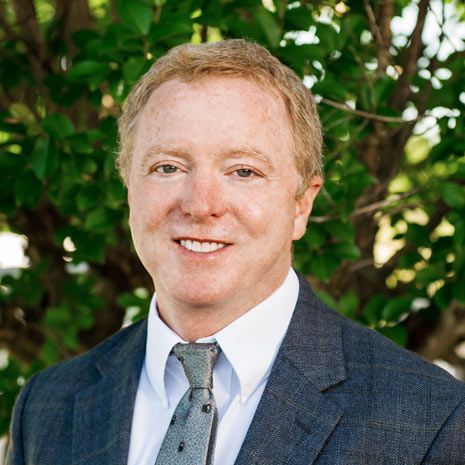
View on GoogleDr. Bryan Carlin strives to provide you with a first-class smile delivered with the personalized, gentle dental care that you deserve. Our dentist prides himself on offering the highest quality work to support your oral and overall health. The friendly staff of skilled and caring professionals at our Hendersonville, TN, dentistry office treat each patient like a member of our family.

Since graduating from the University of Kentucky College of Dentistry in 1988, Dr. Bryan Carlin has delivered state-of-the-art care to each and every one of his patients. Before entering private practice, he served as Chief Resident of the General Practice Residency at UK Hospital Lexington, where he oversaw all operating room dentistry cases and first-year residents.
Dr. Carlin is passionate about helping patients achieve vibrant, healthy smiles with restorative treatments like implants and porcelain crowns. He treats each patient like a member of his family and takes great pride in delivering the individualized attention his patients deserve.
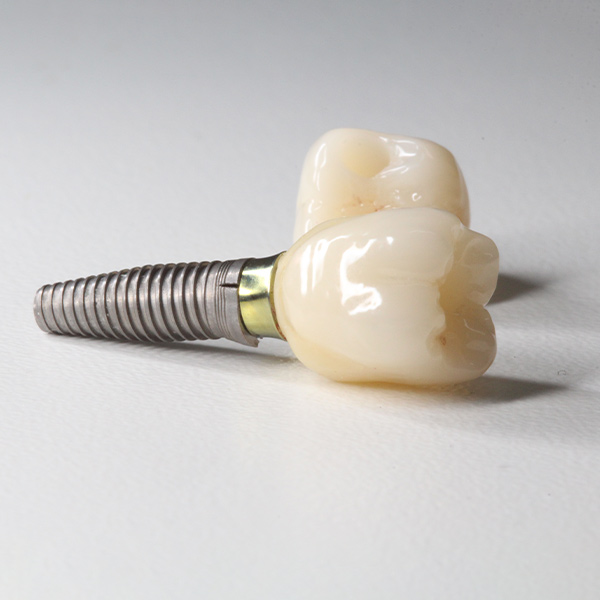
Untreated tooth loss can have a significant impact on your oral health and appearance. The gap left by an absent tooth triggers a response in the jawbone that leads to atrophy. This has an adverse effect on the function of your bite and can cause your face to appear shrunken. Implants are titanium posts that anchor in the jawbone to provide unrivaled support for crowns, bridges, and dentures. They are the only restorative treatment proven to halt jawbone atrophy following tooth loss.
Dental crowns are a trusted and natural-looking way to repair and protect damaged teeth. Treating a damaged tooth with a crown can often prevent the need for extraction. Our dentist works with a trusted lab to create stunning crowns for patients with broken, decayed, or otherwise damaged teeth. At Carlin Dental in Hendersonville, TN, we use a wide range of advanced, durable materials to construct your crown in order to meet your personal preferences, dental needs, and budget.
A dental bridge can fill the gap in your smile left by one to three consecutive missing teeth. A traditional bridge is supported by healthy teeth, while an implant-supported bridge is secured atop dental implants. Dr. Carlin offers both traditional and implant-supported dental bridges. Our team uses only the highest quality dental bridge materials and proven techniques to provide the best possible results.
Our dentist can help you smile with confidence by addressing any number of cosmetic issues you may want corrected. Cosmetic dentistry can address several concerns, such as stains, minor chips, cracks, gaps, misshapen or disproportionate teeth, and decayed or damaged teeth. Dr. Carlin will discuss your goals with you and can provide a fully customizable smile makeover plan, tailored to achieve your dental goals.
Digital X-ray imaging provides a number of advantages over conventional imaging techniques. The digital X-ray process takes less time, the images can be enhanced instantly, and there is far less exposure to radiation. Our dentist respects your time, and the enhanced clarity and immediate availability of digital images mean Dr. Carlin can quickly review X-rays. This has the added benefit of reducing the time you spend at the dentist's office so you can get on with your busy day.
Intraoral cameras are essential to how Dr. Carlin and his team of skilled professionals provide you with optimum dental care. These tools support your dental health by allowing us to detect potential issues earlier on. Intraoral cameras can also provide you an accurate visual of your current oral health condition. Through education and a visual representation of any issues that may be present, you can make an educated decision and actively develop a treatment plan with Dr. Carlin.
Marcos Rivera
2023
Suffered through a toothache throughout the weekend. Went to Carlin Dental first thing Monday morning and they were able to see me on short notice. Dr. Carlin did a great job. I didn't feel any pain during the process and suffered no swelling or pain after the extraction or during the days after. Overall, great experience.
View on GooglePhil Leger
2021
Dr Carlin doing Dentures for me Great work on Uppers, some issues With bottom that I expected. Last visit noticeable difference. Extremely friendly Staff from receptionist To dental assistants. May have to return for fine tuning Dr Carlin assured me he will make Them so I'm satisfied. Would recommend practice..
View on Google
100 Springhouse Ct
Ste 130
Hendersonville,
TN 37075
Carlin Dental is the destination for patients who need state-of-the-art dental care in a family-friendly environment. Dr. Bryan Carlin has been practicing since 1988 and is a member of various prestigious dental organizations, including:
To schedule a consultation at our dental office, request an appointment online or call us at (615) 431-2723.
100 Springhouse Ct
Ste 130
Hendersonville,
TN 37075
Open Today 8:00am - 5:00pm
100 Springhouse Ct
Ste 130
Hendersonville,
TN 37075
Open Today 8:00am - 5:00pm


:quality(100)/https://einstein-assets.imgix.net/405250120-2.jpg)
:quality(100)/https://einstein-assets.imgix.net/000059202336_Vertical.jpg)
:quality(100)/https://einstein-assets.imgix.net/smiling-lady24.jpg)