Our local Hendersonville dental office, serving the Nashville, TN area, is devoted to you and your overall dental health. There is much our dental practice can help you with, including the restoration and enhancement of the natural beauty of your smile. As a dental group, we use state-of-the-art procedures that will result in beautiful, long-lasting smiles for everyone in your family.
Our highly trained staff have been with Carlin Dental for a very long time (just ask them when you visit) so you can be assured that you will be treated well during your brief stay. Give us a call to request your appointment today and let us express our appreciation that you have chosen our practice to serve you.
Having a standard of excellence in personalized dental care enables our dental clinic to provide the quality dental services you deserve. We provide a personalized, comprehensive treatment plan and, if required, use restorative and cosmetic dentistry to achieve your optimal dental health. Should a dental emergency occur, please call us at the nearest location so we can make every effort to see and care for you as soon as possible.
We are a dental practice that believes in preventive care and education because we know they are the keys to optimal dental health. We strive to provide you total “dental health care” as that is the best care you can receive. We focus on thorough exams – checking the overall health of your teeth and gums, performing oral cancer exams, and taking X-rays only when necessary. We also know that routine cleaning, flossing, sealants, and fluoride are all helpful in preventing dental disease. All of our associates are dedicated to helping you develop real preventive dental care. Our staff is concerned about your health and we also care about your smile. After a thorough review of any new medications and any illnesses that may impact your dental health along with your medical history, we can discuss any procedures or treatments you might need as well as ways to enhance your smile and self-confidence.
We know infection control in our office is very important to you and rest assured, it is also very important to us. That is why we take precautions to protect our patients and ourselves. At Carlin Dental, we maintain strict sterilization and cross-contamination processes using standards recommended by the American Dental Association (ADA), the Occupational Safety and Health Administration (OSHA), and the Center for Disease Control (CDC).
As your dental health professionals, we want to share with you just some of the things we do to keep abreast of any changes in the dental profession as well as hone our skills to better serve your dental health needs. We attend dental lectures, meetings, and dental conventions to stay informed of new techniques, the latest products, and the newest equipment that a modern dental office can utilize to provide state-of-the-art dental care. Also, being members of various professional dental associations helps us to stay on top of the changes and recommendations for our profession. It is important that you are confident of the ability of the dental team you choose and that you know you are dealing with highly trained and skilled clinicians. We pride ourselves in providing the care you need to keep your smile healthy. To always give you the best possible service and results, we are committed to continual education and learning.
Carlin Dental is building a foundation of trust by treating our patients as we would like to be treated. We know you are each special individuals and your satisfaction is vital to our success. We understand how uneasy some patients may feel about their dental visits, and we strive to make a difference in providing you a relaxing and positive experience. Our entire team is dedicated to helping you with excellent, personalized care and service to make each of your visits as comfortable and pleasant as possible.
We thank you for allowing us to take care of your dental needs and look forward to serving you. Please call us at the nearest location and allow us to set up your next appointment. If you prefer, please use our office appointment form and you can schedule an appointment from the comfort of your home or office.
At Carlin Dental, we offer a wide range of procedures to ensure you can get all of the necessary dental treatment under one roof. To schedule a visit, call our Hendersonville office at (615) 431-2723. You can also contact us online.
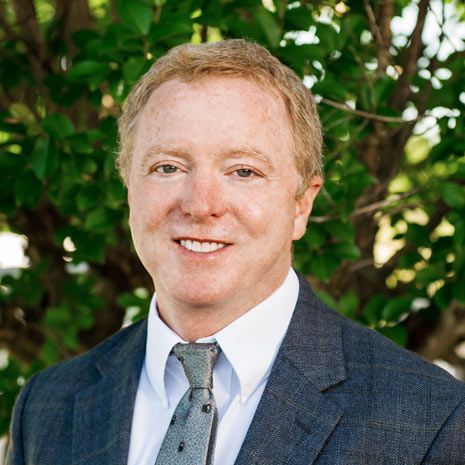
Carlin Dental is the destination for patients who need state-of-the-art dental care in a family-friendly environment. Dr. Bryan Carlin has been practicing since 1988 and is a member of various prestigious dental organizations, including:
To schedule a consultation at our dental office, request an appointment online or call us at (615) 431-2723.
100 Springhouse Ct
Ste 130
Hendersonville,
TN 37075
Open Today 8:00am - 5:00pm
100 Springhouse Ct
Ste 130
Hendersonville,
TN 37075
Open Today 8:00am - 5:00pm